
As smart home technology continues to evolve at lightning speed, AI-powered automation is no longer a futuristic concept but a present-day reality reshaping how we live.
From enhancing convenience to boosting energy efficiency, these intelligent systems are becoming essential companions in our daily routines. If you’ve ever wondered how your home could anticipate your needs or simplify complex tasks, now is the perfect time to dive in.
Let’s explore how this cutting-edge innovation is transforming everyday living and what it means for the future of home life. Stick around—there’s a lot more to discover about making your home smarter and your life easier.
Elevating Daily Comfort with Intelligent Home Systems
Personalized Environment Control
One of the most remarkable perks of modern smart homes is how they adapt to your lifestyle without you lifting a finger. Imagine walking into your living room after a long day, and the lighting adjusts to your preferred warmth and brightness automatically.
Not only that, but the thermostat has already set itself to the ideal temperature based on your past preferences and the current weather outside. These systems learn from your daily habits—whether you like a cooler setting at night or prefer soft music during breakfast—and tailor the environment accordingly.
It’s like having a personal assistant who knows exactly how to make your space feel just right, creating an atmosphere that feels both welcoming and effortless every single day.
Hands-Free Convenience and Voice Integration
Voice assistants like Alexa, Google Assistant, and Siri have revolutionized how we interact with our homes. With simple commands, you can control lights, locks, appliances, and even set reminders or timers.
The beauty lies in the seamless integration of these devices with your smart home ecosystem. For example, telling your assistant to “start movie night” might dim the lights, close the blinds, and power on your entertainment system all at once.
This level of automation saves you from juggling multiple remotes or apps, making everyday tasks smoother. Plus, the constant updates from AI improve the assistant’s understanding over time, so it gets better at predicting your needs and preferences, offering a truly hands-free experience.
Energy Efficiency That Pays Off
Smart homes don’t just boost comfort—they’re also champions of sustainability. By intelligently managing energy use, these systems can significantly cut down your utility bills while reducing your carbon footprint.
For example, smart thermostats adjust heating and cooling schedules based on occupancy patterns and even local weather forecasts. Smart lighting systems switch off automatically when rooms are unoccupied or adjust brightness to natural light levels.
The result? You get a home that’s not only cozy but also conscious of energy waste. Over time, these savings add up, making the initial investment in smart tech a win-win for your wallet and the planet.
Seamless Security and Peace of Mind
Real-Time Monitoring and Alerts
Security is a top priority for most homeowners, and smart home technology is stepping up the game with real-time monitoring. Cameras, motion sensors, and doorbell alerts all feed information directly to your smartphone, allowing you to keep an eye on your property no matter where you are.
What’s even better is the AI-powered ability to distinguish between usual activity and potential threats, reducing false alarms. For instance, your system can notify you only if it detects a stranger approaching your front door but ignore your family members moving around the house.
This level of smart detection means you get relevant alerts without the constant noise, helping you respond quickly if something is amiss.
Automated Locks and Access Control
Gone are the days of fumbling for keys or worrying about whether you locked the door. Smart locks offer convenience and security by allowing you to control access remotely.
You can grant temporary entry to guests, service providers, or family members and revoke it at any time. Many systems also integrate with facial recognition or biometric sensors for an added layer of protection.
For example, some smart locks can automatically unlock when you approach with your phone or a trusted device, eliminating the need for keys altogether.
This combination of automation and control provides peace of mind without sacrificing ease of use.
Integration with Emergency Systems
Smart homes increasingly support integration with emergency services, making rapid response easier. Whether it’s a fire alarm, carbon monoxide detector, or a medical alert system, smart home hubs can instantly notify emergency contacts or authorities.
Some setups even provide real-time data to responders, such as the exact location of an incident within the home. This connectivity can literally save lives by reducing response times and ensuring help arrives when you need it most.
The combination of AI-driven detection and automated communication elevates home safety beyond traditional systems.
Smart Kitchens: Revolutionizing Meal Prep and Management
Intelligent Appliances for Effortless Cooking
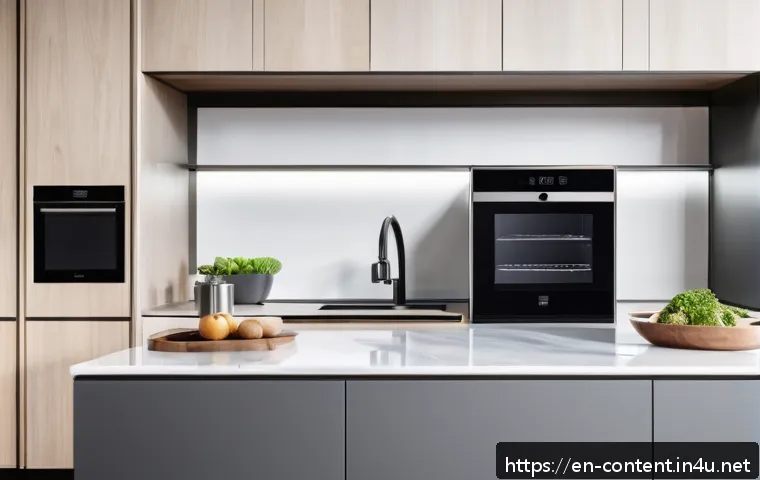
The kitchen is often the heart of the home, and smart technology is transforming it into a hub of convenience and efficiency. Smart ovens, refrigerators, and coffee makers can be controlled remotely or programmed to operate at optimal times.
For example, you can preheat your oven on your way home or have your coffee ready the moment you wake up. Some appliances even suggest recipes based on what you have in your fridge, reducing food waste and inspiring creativity.
This level of automation makes cooking less stressful and more enjoyable, especially for busy households juggling multiple schedules.
Inventory Management and Grocery Automation
Keeping track of groceries can be a hassle, but smart refrigerators now come equipped with internal cameras and AI algorithms to monitor inventory. They can alert you when staples are running low or suggest shopping lists tailored to your consumption patterns.
Some systems even link directly to online grocery stores, allowing you to reorder items with just a few taps. This not only saves time but also ensures you never run out of essentials.
By automating these mundane tasks, smart kitchens free you up to focus on what matters most: enjoying your meals and time with family.
Energy and Water Efficiency in the Kitchen
Smart kitchen appliances also contribute to sustainability by optimizing energy and water usage. Dishwashers, for instance, can adjust cycle lengths and water consumption based on load size and soil level, while smart faucets can monitor usage and reduce waste.
These subtle efficiencies add up to significant savings over time. In my experience, upgrading to these smart appliances noticeably lowered monthly utility bills without compromising performance.
This balance of eco-friendliness and practicality is one of the key reasons smart kitchens are becoming a staple in modern homes.
Effortless Home Maintenance and Predictive Upkeep
AI-Driven Diagnostics and Alerts
Smart homes don’t just react to your commands—they proactively care for themselves. Many systems now include AI-driven diagnostics that monitor appliances, HVAC systems, and even plumbing for signs of wear or potential failure.
For example, your water heater might alert you before a leak develops, or your HVAC system could notify you when filters need replacement. This predictive maintenance prevents costly breakdowns and extends the lifespan of your equipment.
From my own experience, receiving early alerts saved me from a major air conditioning repair during peak summer, which was a huge relief both financially and comfort-wise.
Scheduled Cleaning and Upkeep Automation
Robotic vacuums and lawn mowers are perfect examples of automation that handle repetitive chores without intervention. These devices can be programmed to operate on schedules that fit your lifestyle, ensuring your home stays clean and tidy even on the busiest days.
Many models now incorporate AI to map your home efficiently, avoid obstacles, and adjust to different surfaces. The convenience is undeniable—coming home to spotless floors without lifting a finger is a game-changer.
Plus, this frees up your time for more enjoyable activities, making the overall living experience more pleasant.
Centralized Control and Maintenance Tracking
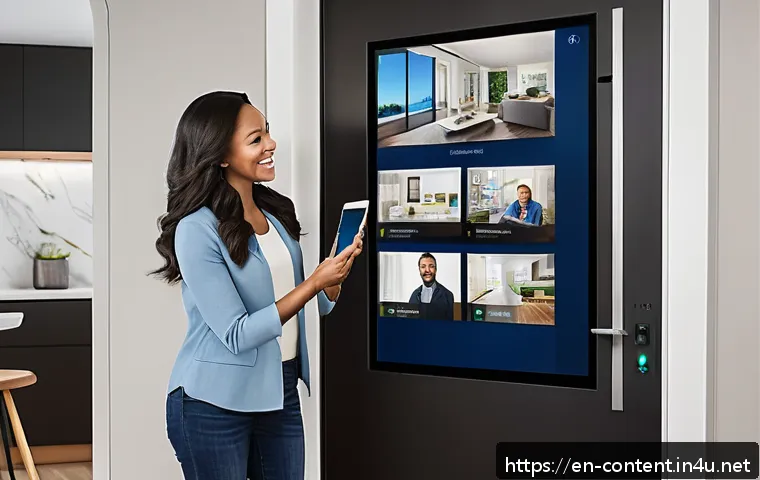
A unified smart home platform often includes dashboards that track maintenance schedules, energy consumption, and system health in one place. This centralized control makes managing your home’s upkeep straightforward and less overwhelming.
You can receive reminders for routine tasks, monitor performance trends, and even schedule professional services directly through the app. The ability to oversee everything from a single interface is not just a time-saver but also helps you make informed decisions about upgrades or repairs.
Personally, having this kind of oversight has made homeownership feel less like a chore and more like a manageable, even enjoyable, responsibility.
Customizing Smart Home Experiences for Every Lifestyle
Adapting to Family Dynamics
Smart home technology is incredibly flexible, allowing customization to fit unique family needs. Whether you have young children, elderly parents, or roommates, automation can be tailored to enhance safety, convenience, and communication.
For example, parents can set up geo-fencing alerts to know when kids arrive home from school or restrict access to certain rooms. Elder care features might include fall detection and emergency contact triggers.
The ability to personalize settings means everyone in the household benefits, creating a safer and more harmonious living environment.
Accessibility and Inclusivity Features
For individuals with disabilities or mobility challenges, smart homes offer transformative possibilities. Voice commands, automated door openers, adjustable lighting, and smart appliances improve independence and quality of life.
AI-powered assistants can even help with reminders for medication or daily routines. From my conversations with users, these features aren’t just conveniences—they’re empowering tools that open new doors for living comfortably and safely at home.
The technology continues to evolve with accessibility in mind, making smart homes more inclusive than ever.
Balancing Privacy with Convenience
While the benefits are clear, it’s natural to be concerned about privacy in a connected home. The good news is that many smart home providers prioritize security and data protection.
Features like local data processing, encrypted communications, and customizable privacy settings allow users to control what information is shared and stored.
Personally, taking time to configure these options gave me peace of mind without sacrificing functionality. Staying informed about your devices and practicing good digital hygiene ensures that your smart home remains a safe haven where convenience and privacy coexist harmoniously.
Comparing Popular Smart Home Ecosystems
| Feature | Amazon Alexa | Google Assistant | Apple HomeKit | Samsung SmartThings |
|---|---|---|---|---|
| Voice Control | Yes, with wide device compatibility | Yes, strong integration with Google services | Yes, tightly integrated with iOS devices | Yes, supports multiple protocols |
| Device Compatibility | Extensive third-party support | Excellent for Google ecosystem devices | Limited to certified devices | Supports Zigbee, Z-Wave, and Wi-Fi |
| Security Features | Multi-factor authentication, encrypted data | Regular security updates, encrypted communication | End-to-end encryption, strict privacy policies | Advanced device authentication and monitoring |
| Ease of Setup | User-friendly app, wide tutorials | Simple setup, especially for Android users | Requires Apple devices, more complex | Moderate learning curve, versatile |
| Customization | Highly customizable routines and skills | Powerful AI-driven suggestions | Focus on automation within Apple ecosystem | Robust automation with multiple device types |
In Conclusion
Smart home systems are transforming everyday living by blending comfort, convenience, and security into a seamless experience. From personalized settings to energy savings and enhanced safety, these technologies adapt to your lifestyle in ways that truly feel intuitive. Embracing smart home innovations can simplify routines and elevate the quality of life in meaningful ways.
Helpful Information to Know
1. Smart home devices learn your habits over time, allowing for a truly personalized environment that adjusts automatically without manual input.
2. Voice assistants have become central hubs for controlling multiple devices, making hands-free management easy and efficient.
3. Energy-efficient smart appliances not only reduce bills but also contribute to a more sustainable lifestyle.
4. Real-time security alerts combined with automated locks provide peace of mind and enhanced control over home access.
5. Centralized platforms help track maintenance and system health, ensuring your home stays in top shape with minimal effort.
Key Takeaways
Integrating smart technology into your home offers more than just convenience; it enhances safety, promotes sustainability, and adapts to diverse family needs. Prioritizing privacy settings and choosing the right ecosystem for your lifestyle ensures a balanced and secure smart home experience. Ultimately, these innovations empower homeowners to enjoy a more comfortable, efficient, and connected living space.
Frequently Asked Questions (FAQ) 📖
Q: How does
A: I-powered automation improve energy efficiency in smart homes? A1: AI-powered automation optimizes energy use by learning your daily routines and adjusting systems like heating, cooling, and lighting accordingly.
For example, it can lower the thermostat when you’re away or dim lights in unused rooms, which saves energy without sacrificing comfort. From my experience, this intelligent adjustment not only reduces utility bills but also lessens your carbon footprint, making your home eco-friendlier and more cost-effective over time.
Q: Can smart home
A: I anticipate my needs without constant input? A2: Absolutely. Modern AI systems use sensors and data patterns to understand your habits, preferences, and schedules.
Over time, they can anticipate things like when to brew coffee, adjust lighting for mood, or even remind you about appointments. I found that the more I used my AI-powered devices, the better they became at predicting what I needed before I even asked, which felt almost like having a personal assistant that genuinely knows me.
Q: Is
A: I-powered automation difficult to set up and maintain for the average homeowner? A3: Setting up AI-powered automation has become surprisingly user-friendly.
Most devices come with intuitive apps and step-by-step guides that walk you through installation and customization. While there’s a learning curve, especially when integrating multiple systems, I’ve noticed that investing a little time upfront pays off quickly in convenience.
Plus, many platforms offer ongoing updates and customer support to keep everything running smoothly without needing technical expertise.